

Onsite Preparation and Setting
Our expertise in onsite preparation and setting ensures your modular home is not just delivered—it’s perfectly placed and ready for you to enjoy. We prioritize safety, efficiency, and customer satisfaction in every project.
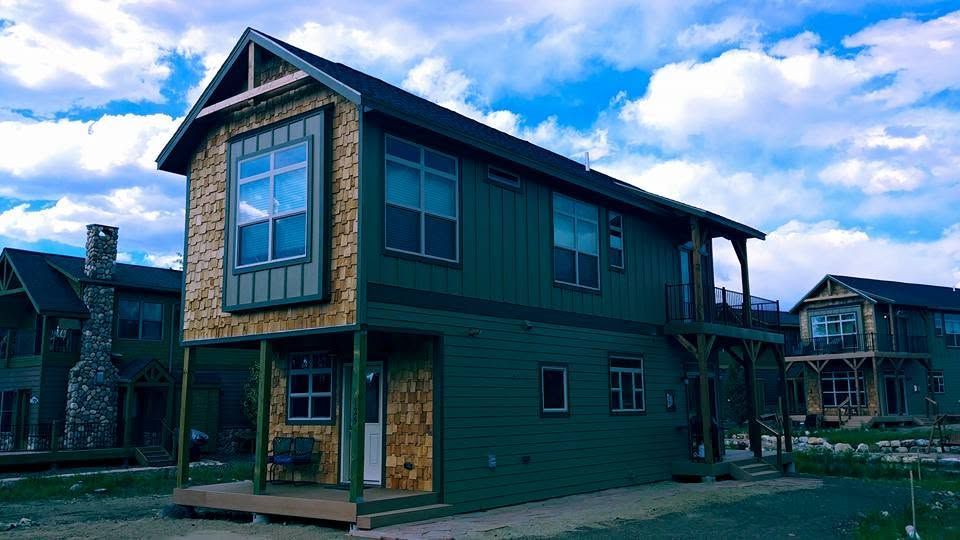
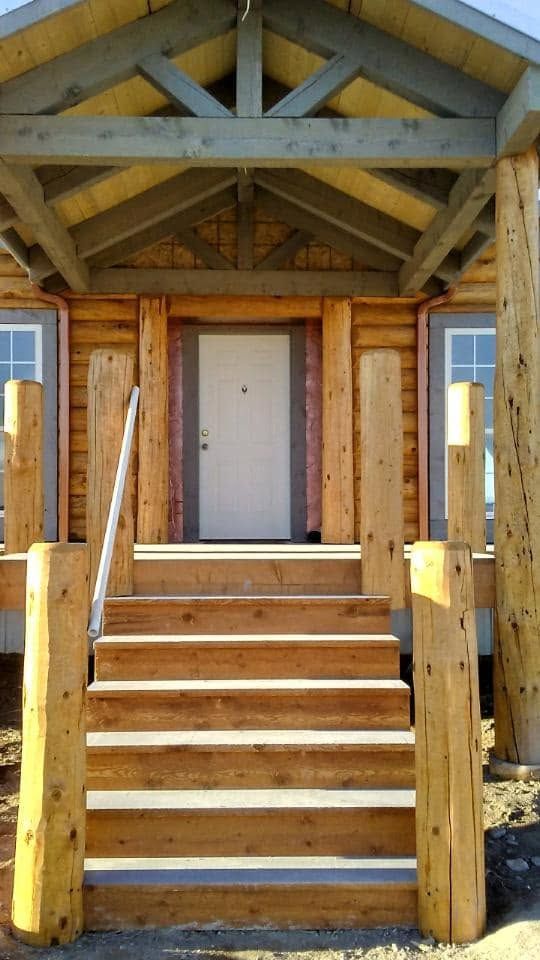
Onsite Preparation and Setting
When you purchase a modular home, the process doesn’t end at delivery. Onsite preparation and setting are crucial steps that ensure your home is installed correctly, securely, and ready for move-in. At Great Western Homes, we handle these steps with precision and care, making the transition to your new home smooth and stress-free.
Onsite Preparation
Onsite preparation is all about getting your property ready for your modular home.
Site Inspection
We evaluate your property to ensure it meets the necessary requirements for placing a modular home.
Land Grading
If needed, we level and prepare the ground to create a stable foundation.
Foundation Work
We build a solid foundation—whether it’s a crawl space or basement—to support your modular home.
Utility Connections
Our team coordinates with your project manager for the installation of essential utilities like water, sewer, electricity, and gas.
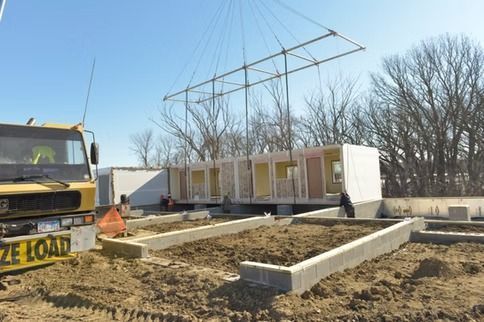
Setting Your Modular Home
Once your site is ready, it’s time for the setting process, which involves:
- Delivery: Your modular home arrives in sections on specially designed trucks.
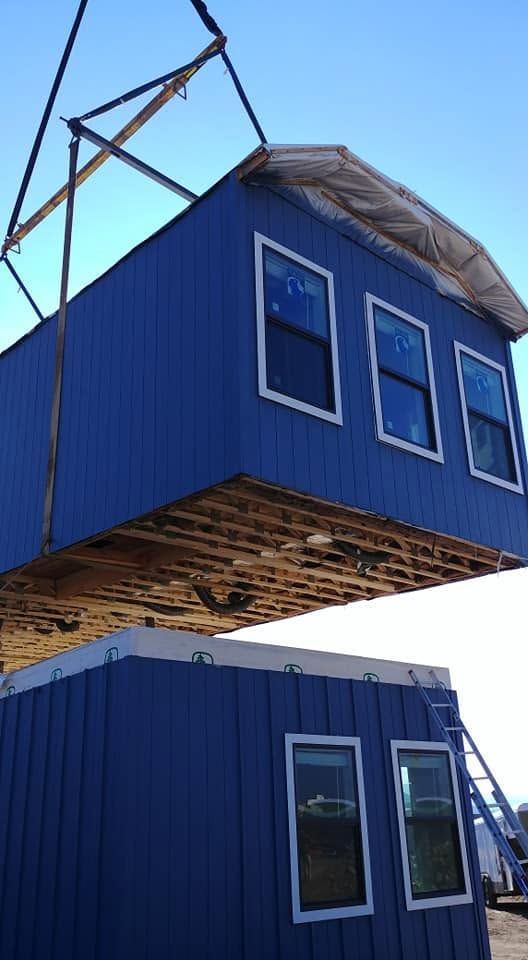
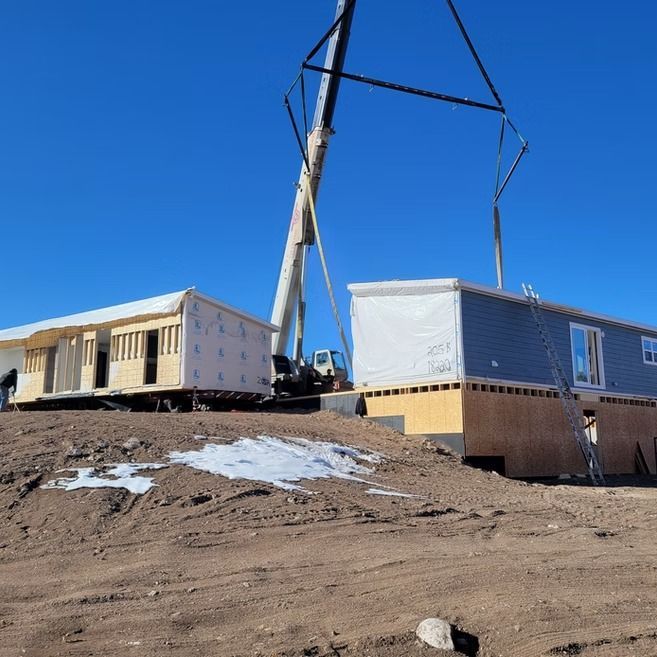
- Crane Placement: Using a crane, we carefully lift and position each section of your home onto the prepared foundation.
- Assembly: Our team connects and secures the sections, ensuring proper alignment and sealing.
- Final Touches: This includes finishing exterior details, connecting utilities, and making sure your home is 100% ready for occupancy.
Work That Happens Before and During Installation
Onsite Preparation and Setting in Leadville for property owners coordinating foundation work, delivery, and home assembly
The period between ordering a modular home and completing it on your property involves multiple phases that must occur in sequence and align with factory production schedules. Site inspection identifies slope conditions, soil composition, utility access points, and delivery clearances that affect foundation design and grading work. Foundation options include crawl-space construction, full basement excavation, or slab installation, each requiring different timelines, costs, and coordination with utility providers who extend water, sewer, electric, and gas lines to connection points before the home arrives. Preparation work starts weeks before delivery, because the foundation must cure, utility trenches must be backfilled, and access routes must be cleared before transport trucks and cranes can maneuver into position.
Great Western Homes Inc coordinates between site contractors, utility companies, and the factory production schedule to ensure your property is ready when the home sections are delivered. Delivery involves multiple trucks transporting sections separately, a crane positioning each piece onto the foundation, crews aligning and joining sections, sealing seams between pieces, and completing exterior connections that integrate the home with onsite utilities.
Discuss your property's site conditions and installation requirements before scheduling delivery.
Why Preparation Must Begin Before the Home Arrives
Land grading levels the building area and establishes drainage patterns that direct water away from the foundation, preventing pooling and erosion after the home is set. Foundation work follows grading, with concrete poured for footings and walls that support the home's weight and anchor it against wind and seismic forces. Curing times for concrete extend several days depending on temperature and humidity, and inspections must pass before delivery can proceed. Utility trenches are dug, lines are installed to predetermined connection points, and trenches are backfilled and compacted to prevent settling.
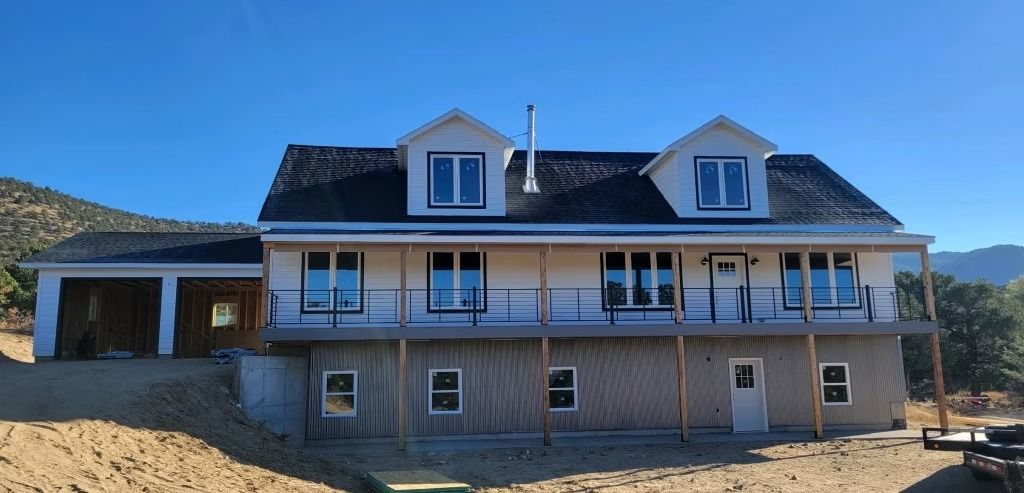
Once the home sections arrive, delivery timing depends on weather conditions, crane availability, and crew scheduling, all of which require advance coordination. Sections are lifted onto the foundation, aligned using measurements verified during manufacturing, and bolted together at structural connection points. Seams between sections are sealed to prevent air infiltration and moisture entry, and exterior finishing work includes attaching siding panels, installing roofing transitions, connecting decks or porches, and completing utility hookups that integrate the home's plumbing, electrical, and HVAC systems with onsite infrastructure.
Delays in preparation work postpone delivery and create scheduling conflicts with contractors, crane operators, and utility crews, which extend project timelines and increase costs. Planning the sequence before starting ensures each phase completes before the next begins.
What Property Owners Need to Know
Owners moving from home selection to installation often need clarity about site-specific requirements, contractor responsibilities, and what must be completed before sections are delivered.
What site inspection identifies before preparation begins?
Inspection evaluates soil bearing capacity for foundation design, slope conditions requiring grading adjustments, utility access routes and connection locations, and delivery clearances for transport trucks and crane positioning.
How does Leadville's elevation affect foundation and setting work?
High elevation creates shorter concrete curing seasons due to cold temperatures, requires frost footings extending below freeze depth, and limits delivery windows when mountain roads are accessible and weather conditions allow crane operation.
What happens if the foundation isn't ready when the home is delivered?
Delivery must be rescheduled at additional cost, or sections must be stored offsite until the foundation is complete, both of which delay project completion and require additional payments.
Who coordinates between the crane operator, delivery trucks, and setting crew?
Great Western Homes Inc schedules crane rental, delivery timing, and crew availability to ensure all parties arrive in sequence and complete their work without delays.
What finishing work happens after the home is set?
Crews seal seams between sections using adhesive and flashing, attach siding panels at connection points, complete roofing transitions, connect plumbing and electrical systems to utility lines, and install exterior trim.
Great Western Homes Inc manages onsite preparation and setting coordination, ensuring your property is ready before delivery and installation proceeds efficiently. Arrange a site evaluation to review foundation options, grading needs, and utility planning for your project.